Getting Your Tires Ready for Michigan's Wet Fall Roads

Dave Murdock • October 6, 2025

Fall in Michigan brings beautiful autumn colors, but it also introduces challenging driving conditions that test your tires like no other season. Around Hemlock and throughout Saginaw County, wet leaves, morning frost, and frequent rain create slippery road surfaces that demand proper tire preparation and maintenance.


Your tires are the only point of contact between your vehicle and the road. When fall weather makes those roads treacherous with moisture, fallen leaves, and temperature changes, having tires in excellent condition becomes a critical safety issue. Smart preparation now can prevent accidents and keep you moving safely through Michigan's unpredictable fall weather.


Why Fall Roads Are So Dangerous for Tires

Fall creates a perfect storm of challenging road conditions that push tires to their limits. What looks like a scenic autumn drive can quickly become hazardous without proper tire preparation.


Wet leaves create ice-like conditions:
Fallen leaves become incredibly slippery when wet, creating traction conditions similar to ice. Around Hemlock's tree-lined rural roads, this hazard can appear suddenly and without warning.


Temperature fluctuations affect tire pressure:
Michigan's dramatic fall temperature swings cause tire pressure to drop significantly. For every 10-degree temperature decrease, tire pressure drops about 1–2 PSI, affecting handling and safety.


Rain and morning frost:
Fall brings increased precipitation and frost that create consistently slippery conditions, especially during morning and evening commutes to Midland or Saginaw.


Hidden road hazards:
Wet leaves can hide potholes, debris, and road damage that can cause tire damage or sudden deflation.


Essential Tire Tread Depth Check

Adequate tread depth is your first line of defense against wet road conditions. Tires with worn tread cannot channel water away effectively, leading to dangerous hydroplaning situations.


How to check tread depth:

  • Use the penny test: Insert a penny into tread grooves with Lincoln's head pointing down
  • If you can see the top of Lincoln's head, your tread is too shallow (less than 2/32")
  • For wet conditions, consider replacement when tread reaches 4/32"
  • Check multiple locations across each tire for even wear


Why deeper tread matters in fall:

  • Better water evacuation prevents hydroplaning
  • Improved traction on wet leaves and frost
  • Enhanced grip for emergency braking situations
  • Reduced stopping distances on slippery surfaces


Don't rely on visual inspection alone. Even tires that look adequate may not have sufficient tread for Michigan's wet fall conditions.


Proper Tire Pressure for Fall Driving

Maintaining correct tire pressure becomes even more critical as temperatures drop. Under-inflated tires reduce traction, increase stopping distances, and make your vehicle harder to control on wet roads.


Fall tire pressure considerations:

  • Check pressure monthly as temperatures change
  • Use the pressure recommended in your owner's manual or door placard
  • Check pressure when tires are cold (before driving)
  • Don't forget your spare tire


Effects of incorrect tire pressure:

  • Under-inflation reduces traction and increases heat buildup
  • Over-inflation reduces tire contact patch and traction
  • Both conditions increase tire wear and failure risk
  • Poor pressure affects fuel economy and handling


Around Saginaw County's rural roads, where help might be far away, proper tire pressure can mean the difference between safe travel and a dangerous breakdown.


Inspect for Summer Damage

Summer's heat and driving demands may have caused tire damage that becomes dangerous in fall's slippery conditions. A thorough inspection reveals problems before they cause failures.


What to look for during inspection:

  • Sidewall cracks from heat and UV exposure
  • Bulges indicating internal damage
  • Foreign objects embedded in tread
  • Uneven wear patterns suggesting alignment issues
  • Age-related deterioration (tires over 6 years old)


Common summer tire damage:

  • Heat-related rubber deterioration
  • Impact damage from potholes and construction zones
  • Wear from long vacation trips
  • Damage from under-inflation during hot weather


Even minor damage can become major problems when combined with fall's wet, slippery conditions.


Consider All-Season vs. Winter Tire Timing

Fall is decision time for Michigan drivers regarding tire choices for the coming months. While all-season tires work for many drivers, some situations call for winter tire preparation.


All-season tire considerations:

  • Adequate for most Michigan fall and winter conditions
  • Convenient year-round solution
  • Good performance in moderate snow and cold
  • Cost-effective for typical driving needs


When to consider winter tires:

  • Frequent driving in rural areas with limited snow removal
  • Regular travel during early morning hours when ice forms
  • Hilly terrain around your driving routes
  • Previous winter traction problems with all-season tires


Timing for winter tire installation:

  • Install when temperatures consistently stay below 45°F
  • Don't wait for the first snowfall
  • Consider installation in November for Michigan conditions


Tire Rotation and Alignment Check

Fall presents an excellent opportunity to rotate tires and check alignment, ensuring even wear and optimal performance through winter.


Benefits of fall tire rotation:

  • Evens out wear patterns from summer driving
  • Maximizes tire life and performance
  • Identifies developing problems early
  • Ensures best tires are in optimal positions for winter


Signs you need alignment check:

  • Vehicle pulls to one side while driving
  • Steering wheel vibration or off-center position
  • Rapid or uneven tire wear
  • Recent pothole or curb impact


Proper alignment becomes especially important on wet, slippery roads where precise steering control prevents accidents.


Emergency Preparedness for Tire Problems

Fall weather increases the likelihood of tire problems, making emergency preparedness essential for safe travel around Michigan's rural areas.


Essential tire emergency kit:

  • Properly inflated spare tire
  • Working jack and lug wrench
  • Tire pressure gauge
  • Emergency tire sealant
  • Reflective warning triangles
  • Flashlight with fresh batteries


Know your spare tire type:

  • Full-size spare: Can drive normally but check pressure regularly
  • Compact spare: Limited speed (50 mph) and distance (50 miles)
  • Run-flat tires: Can continue driving but need prompt replacement


Professional Tire Inspection Benefits

While basic tire checks are important, professional inspection can identify problems that aren't obvious to most drivers. Experienced technicians know what to look for and can spot developing issues before they become dangerous.


Professional inspection includes:

  • Detailed tread depth measurement
  • Internal damage assessment
  • Proper mounting and balancing check
  • Alignment evaluation
  • Recommendations for your specific driving needs


Professional inspection is especially valuable before Michigan's challenging winter driving season begins.


Stay Safe on Michigan's Fall Roads

Proper tire preparation is your best defense against fall's challenging driving conditions. From wet leaves on rural roads to morning frost on your commute, having tires in excellent condition protects you and your family.


At Hemlock Auto & Alignment, our experienced technicians provide comprehensive tire services to keep you safe on Michigan's unpredictable fall and winter roads. From tire inspection and rotation to new tire installation and alignment service, we help ensure your tires are ready for whatever weather conditions arise.


Located at 16575 Gratiot Road in Hemlock, we serve drivers throughout Saginaw County with quality tire services backed by our 36-month/36,000-mile warranty. Our tire professionals can evaluate your current tires and recommend the best solutions for your driving needs and budget.


Don't let worn or improperly maintained tires put you at risk this fall. Call us at (989) 642-4423 or schedule online for comprehensive tire service. Let our experienced team help prepare your tires for safe fall and winter driving—because reliable traction starts with properly maintained tires.
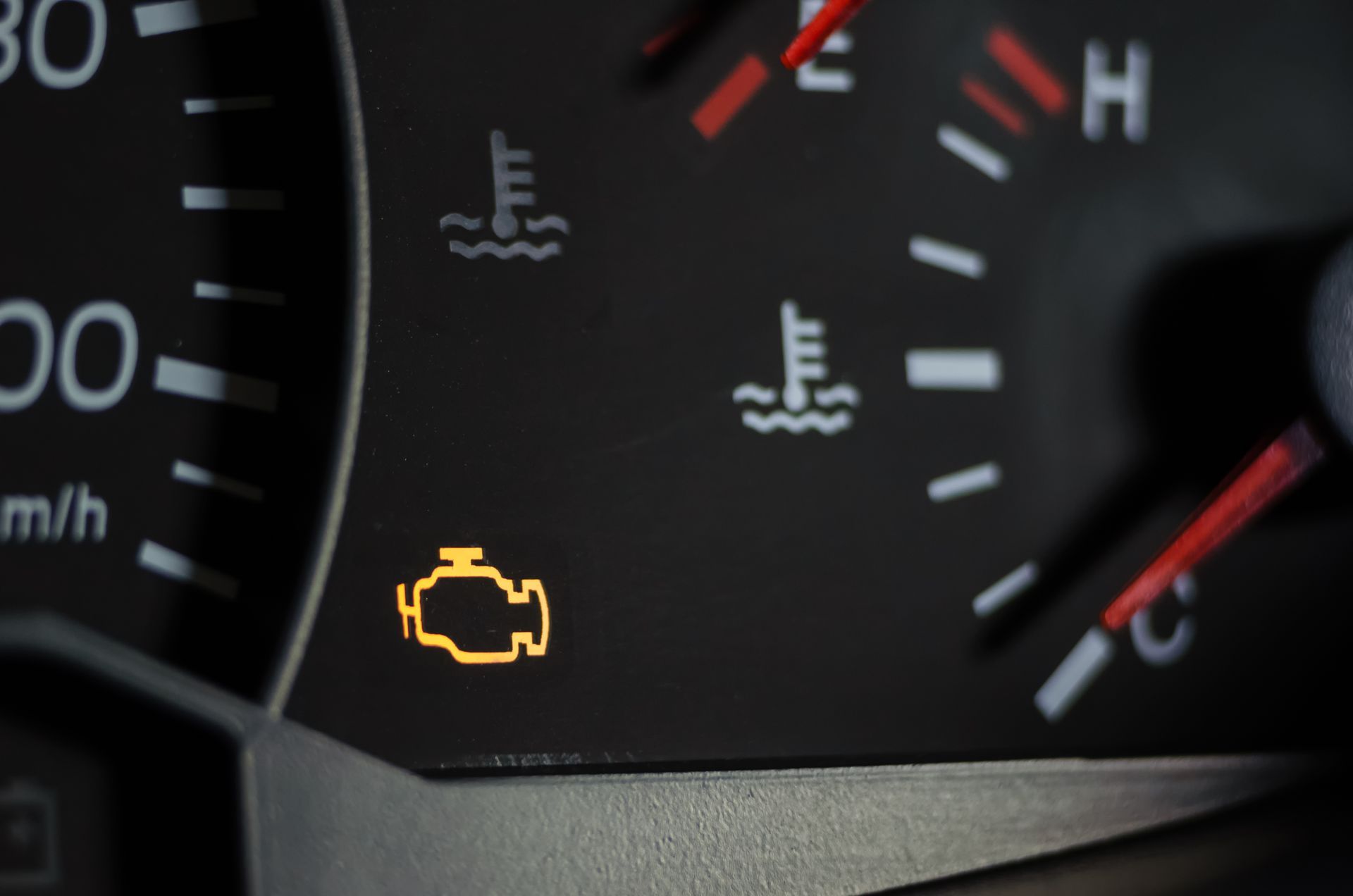

Close-up of a car dashboard; illuminated check engine light is visible, indicating a potential engine issue.
By Dave Murdock December 8, 2025
Check engine light on? Learn common causes, risks of ignoring it, and when Michigan drivers should schedule a diagnostic service.
Dashboard warning lights illuminated: engine, battery, temperature, and oil icons.
By Dave Murdock November 17, 2025
From check engine lights to brake warnings, this guide explains common dashboard warning lights and what action Michigan drivers should take.
Car with winter tires driving in snowy conditions.
By Dave Murdock November 15, 2025
Is your car ready for a Michigan winter? Use this pre-winter vehicle checklist to stay safe on icy roads in Hemlock and Saginaw County.
White car parked in front of auto repair shop with green trim; asphalt parking lot, green grass, and trees.
By Dave Murdock November 10, 2025
Learn what Hemlock Auto & Alignment’s 3-year/36,000-mile nationwide auto repair warranty covers and how it protects you wherever you drive.
Mechanic using alignment equipment on a car tire, smiling in a garage.
By Dave Murdock November 3, 2025
Misaligned wheels can cause tire wear and handling problems. Discover the five warning signs your car needs a wheel alignment in Michigan.
Undercarriage of a vehicle, showing suspension components, including a coil spring, shock absorber, and brake system.
By Dave Murdock October 27, 2025
Michigan roads are hard on suspensions. Learn why suspension repair is critical for safety, tire life, and control in Hemlock and Saginaw County.
By Hemlock Auto & Alignment October 21, 2025
Discover expert wheel alignment services at Hemlock Auto & Alignment in Hemlock, MI. Enhance vehicle safety & performance. Visit us today!
Mechanic uses power tool to remove wheel from car in a shop.
By Dave Murdock October 14, 2025
From snowy winters to warm summers, this guide explains seasonal tire changes, installation timing, and tire care for Michigan drivers.
Mechanic assembling gears, possibly a differential, with various car parts on a work surface.
By Dave Murdock October 10, 2025
Fall is the best time for transmission service in Hemlock. Learn why Michigan drivers should service their transmission before winter arrives.
By Dave Murdock September 29, 2025
Modern vehicles are built to last longer than ever before, with many reaching 200,000 miles or more when properly maintained. For drivers in Hemlock and throughout Saginaw County, regular maintenance becomes even more critical due to Michigan's harsh climate conditions that accelerate wear on vehicle components. The difference between a vehicle that lasts 100,000 miles and one that reaches 200,000 miles often comes down to consistent, proactive maintenance. While purchasing a vehicle represents a significant investment, proper care can double or even triple your return on that investment while providing years of reliable transportation. Michigan's extreme weather conditions—from summer heat that stresses cooling systems to winter road salt that accelerates corrosion—make regular maintenance essential for vehicle longevity around Hemlock's diverse driving conditions. The Foundation: Regular Oil Changes Engine oil is your vehicle's lifeblood, and consistent oil changes form the foundation of any longevity-focused maintenance program. Clean oil lubricates moving parts, removes contaminants, and helps regulate engine temperature. Why oil changes matter for longevity: Prevents metal-on-metal contact that causes permanent engine damage Removes combustion byproducts that can clog internal passages Maintains proper lubrication under all operating conditions Protects against sludge buildup that restricts oil flow Optimal oil change intervals: Follow manufacturer recommendations as a baseline Consider severe driving conditions common around Saginaw County Shorter intervals for stop-and-go driving, extreme temperatures, or dusty conditions Use quality oil and filters for maximum protection Skipping oil changes or extending intervals too far can cause expensive engine damage that makes vehicle replacement more economical than repair. Cooling System Maintenance for Michigan Climate Michigan's temperature extremes put tremendous stress on cooling systems. Proper cooling system maintenance prevents overheating in summer and ensures adequate cabin heat in winter. Essential cooling system care: Flush and replace coolant according to manufacturer schedules Inspect hoses and belts for wear and deterioration Check radiator for corrosion and blockages Test thermostat operation for proper temperature control Maintain proper coolant mixture for freeze protection Why cooling system maintenance extends vehicle life: Prevents costly engine overheating damage Ensures reliable operation in all weather conditions Protects aluminum components from corrosion Maintains proper engine operating temperatures for efficiency Around Hemlock's rural roads, where help might be far away, cooling system reliability becomes even more important for safe travel. Transmission Care for Long-Term Reliability Transmission repairs can cost thousands of dollars, making transmission maintenance one of the most cost-effective investments in vehicle longevity. Transmission maintenance essentials: Regular fluid changes using manufacturer-specified fluid Filter replacement during service intervals Early detection and repair of minor leaks Proper driving habits that reduce transmission stress Signs your transmission maintenance is working: Smooth shifting between gears Consistent operation in all weather conditions No unusual noises or vibrations Proper fluid color and smell Michigan's winter conditions place extra demands on transmissions, making regular service especially important for drivers who face snow and ice regularly. Brake System Longevity Proper brake maintenance not only ensures safety but also extends the life of expensive brake components and protects other vehicle systems. Brake maintenance for longevity: Regular brake fluid changes prevent corrosion Timely pad replacement protects rotors from damage Cleaning and lubrication prevent sticking and uneven wear Early problem detection prevents major component failure How brake maintenance saves money: Prevents rotor replacement by changing pads promptly Protects brake lines and calipers from contaminated fluid Maintains proper stopping distances for safety Avoids emergency repairs that cost more than scheduled maintenance Filter Replacement for System Protection Filters protect critical vehicle systems from contamination that causes premature wear and failure. Regular filter changes are inexpensive but provide significant protection. Critical filters for vehicle longevity: Engine air filter: Protects against dirt and debris that can damage cylinders Cabin air filter: Maintains HVAC system efficiency and air quality Fuel filter: Prevents contamination from reaching fuel injection systems Oil filter: Removes contaminants from engine oil Michigan's dusty rural roads and seasonal pollen make filter replacement especially important around Hemlock for maintaining system efficiency. Tire and Wheel Maintenance Proper tire care affects more than just tire life—it protects suspension components, improves fuel economy, and ensures safe handling. Tire maintenance for longevity: Regular rotation prevents uneven wear patterns Proper inflation maintains optimal contact patch Alignment keeps tires wearing evenly and protects suspension Balancing prevents vibration that damages other components How tire maintenance extends vehicle life: Prevents premature suspension component wear Improves fuel economy reducing engine stress Maintains safe handling characteristics Protects wheel bearings and steering components Scheduled Maintenance Compliance Following manufacturer maintenance schedules ensures all vehicle systems receive attention at appropriate intervals based on engineering specifications and testing. Benefits of schedule compliance: Maintains warranty coverage Prevents small problems from becoming major repairs Ensures optimal performance and fuel economy Preserves vehicle value for resale or trade-in Creating a maintenance schedule: Use manufacturer recommendations as a baseline Adjust for local driving conditions Keep detailed records of all service performed Plan ahead for major service intervals Cost Analysis: Maintenance vs. Replacement Regular maintenance costs significantly less than major repairs or vehicle replacement. The numbers clearly favor preventive care over reactive repairs. Maintenance cost benefits: Oil changes cost hundreds; engine replacement costs thousands Brake pad replacement costs less than rotor replacement Regular service prevents emergency repair surcharges Extended vehicle life delays expensive replacement purchases Long-term financial advantages: Lower total cost of ownership Higher resale value for well-maintained vehicles Predictable maintenance budgeting vs. surprise repair costs Extended financing payoff before replacement needs Professional Maintenance Advantages While some maintenance can be performed by vehicle owners, professional service offers advantages that contribute to vehicle longevity. Professional service benefits: Access to specialized tools and diagnostic equipment Experience with common problems and solutions Quality parts and fluids designed for your vehicle Warranty protection for service performed Comprehensive inspections that catch developing problems Professional technicians can identify potential problems during routine maintenance, preventing failures that could leave you stranded or cause expensive damage. Signs Your Maintenance Program Is Working Properly maintained vehicles exhibit consistent performance characteristics that indicate healthy systems and extended service life. Indicators of successful maintenance: Reliable starting in all weather conditions Consistent fuel economy over time Smooth operation without unusual noises or vibrations Predictable performance without unexpected problems Systems that function as designed year after year Invest in Your Vehicle's Future Regular maintenance represents the best investment you can make in your vehicle's longevity and reliability. At Hemlock Auto & Alignment, our ASE-certified technicians provide comprehensive maintenance services designed to maximize your vehicle's lifespan and performance. Located at 16575 Gratiot Road in Hemlock, we serve drivers throughout Saginaw County with professional maintenance services backed by our 36-month/36,000-mile warranty. Our maintenance programs are tailored to Michigan's challenging climate conditions and local driving requirements. From basic oil changes to comprehensive system maintenance, we help you protect your vehicle investment with quality service and honest recommendations. Our detailed maintenance records help you track service history and plan for future needs. Don't wait for problems to develop. Call us at (989) 642-4423 or schedule online for your next maintenance service. Let our experienced team help you maximize your vehicle's lifespan through professional maintenance—because proper care today means reliable transportation for years to come.
More Posts