Why Saginaw County Drivers Shouldn't Ignore Their Check Engine Light

Dave Murdock • December 8, 2025

That little orange light on your dashboard—the one shaped like an engine—can trigger a wave of anxiety. Your first thought might be to hope it just turns off on its own. But for drivers in Saginaw County, ignoring the check engine light is a risk that can lead to much more expensive repairs down the road.


The check engine light is part of your car’s onboard diagnostics system. When it illuminates, it means the computer has detected a problem that is affecting your car’s performance, fuel economy, or emissions. While it doesn't always mean your engine is about to fail, it always means you should pay attention.


Here’s why taking immediate action is the smartest choice for your car and your wallet.


It Could Be a Simple, Inexpensive Fix

Many people fear a massive repair bill, but the issue triggering the light is often minor and affordable to fix. Addressing it quickly can prevent a small problem from becoming a major one.


Common minor issues include:

  • A Loose Gas Cap: This is one of the most common reasons for the light to come on. A loose or faulty cap allows fuel vapors to escape, which hurts your fuel efficiency and triggers the emissions system sensor. Simply tightening it might solve the problem, or a replacement cap is an inexpensive fix.
  • A Worn Spark Plug: Spark plugs ignite the fuel in your engine. When they wear out, your engine will misfire. This causes rough idling, poor acceleration, and reduced gas mileage. Replacing spark plugs is routine maintenance.
  • A Failing Oxygen Sensor: This sensor monitors how much unburned oxygen is in your exhaust. A bad sensor can decrease your fuel efficiency by up to 40%. Replacing it is far cheaper than the damage it can cause if left unattended.


Preventing Major Damage is Key

This is the most critical reason not to ignore the light. What starts as a small issue can quickly snowball into a catastrophic failure that leaves you stranded on the side of US-23 or I-75.


Small problems the light can detect that can become major include:

  • A Bad Oxygen Sensor: If left unrepaired, a faulty oxygen sensor can lead to a ruined catalytic converter. Replacing a converter can cost well over a thousand dollars, while a sensor is a fraction of the price.
  • A Misfire: A faulty spark plug or ignition coil can dump raw fuel into the exhaust system. This superheats and destroys the catalytic converter.
  • Engine Overheating: A cooling system issue can be detected by the computer. Continuing to drive an overheating engine can warp cylinder heads and lead to a repair that totals many older vehicles.


You'll Save Money on Gas

When your check engine light is on, your car is almost never running at peak efficiency. The problem is often related to the engine’s combustion process or emissions system, which directly impacts fuel economy.


Fixing the underlying issue restores your car’s proper air-fuel mixture and performance. You will quickly notice you are making fewer trips to the gas station, which saves you money every week. With the stop-and-go traffic and long commutes common in our area, good fuel economy is important.


It Ensures Your Car is Safe to Drive

While the check engine light itself is often an emissions light, it can sometimes indicate a serious problem that compromises your safety.

For example, a persistent misfire can cause a loss of power when you need to accelerate quickly, such as merging onto a highway. In some car models, the light can also be tied to issues with the braking or stability control systems. It is always best to have the code read by a professional to rule out any safety-critical issues.


What Should You Do When the Light Comes On?

Don't Panic. First, check your gas cap. Ensure it is tightened until it clicks several times.


Observe the Light's Behavior:

  • A Solid Light: This means a problem has been detected. You should schedule a diagnostic service as soon as possible.
  • A Flashing Light: This is a more severe warning. It often indicates a serious engine misfire that can damage the catalytic converter. You should reduce power and get your car to a repair shop immediately.


Get a Professional Diagnosis. While a generic code reader can give you a code, it takes a certified technician with advanced diagnostic tools to interpret that code and perform the necessary tests to find the root cause of the problem.


Let Hemlock Auto & Alignment Provide Peace of Mind

The check engine light is your car’s way of asking for help. At Hemlock Auto & Alignment, we have the advanced tools and certified expertise to accurately diagnose the problem. We perform dealer-level diagnostics to get to the root of the issue, and we always provide an honest assessment before any work is done.


Is your check engine light on? Don't ignore it. Contact Hemlock Auto & Alignment for a professional diagnostic service. We will accurately identify the problem and give you a straightforward repair plan. We are located at 16575 Gratiot Road in Hemlock and serve drivers from Saginaw, Midland, and Freeland. Call us at (989) 642-4423 or schedule an appointment online today.
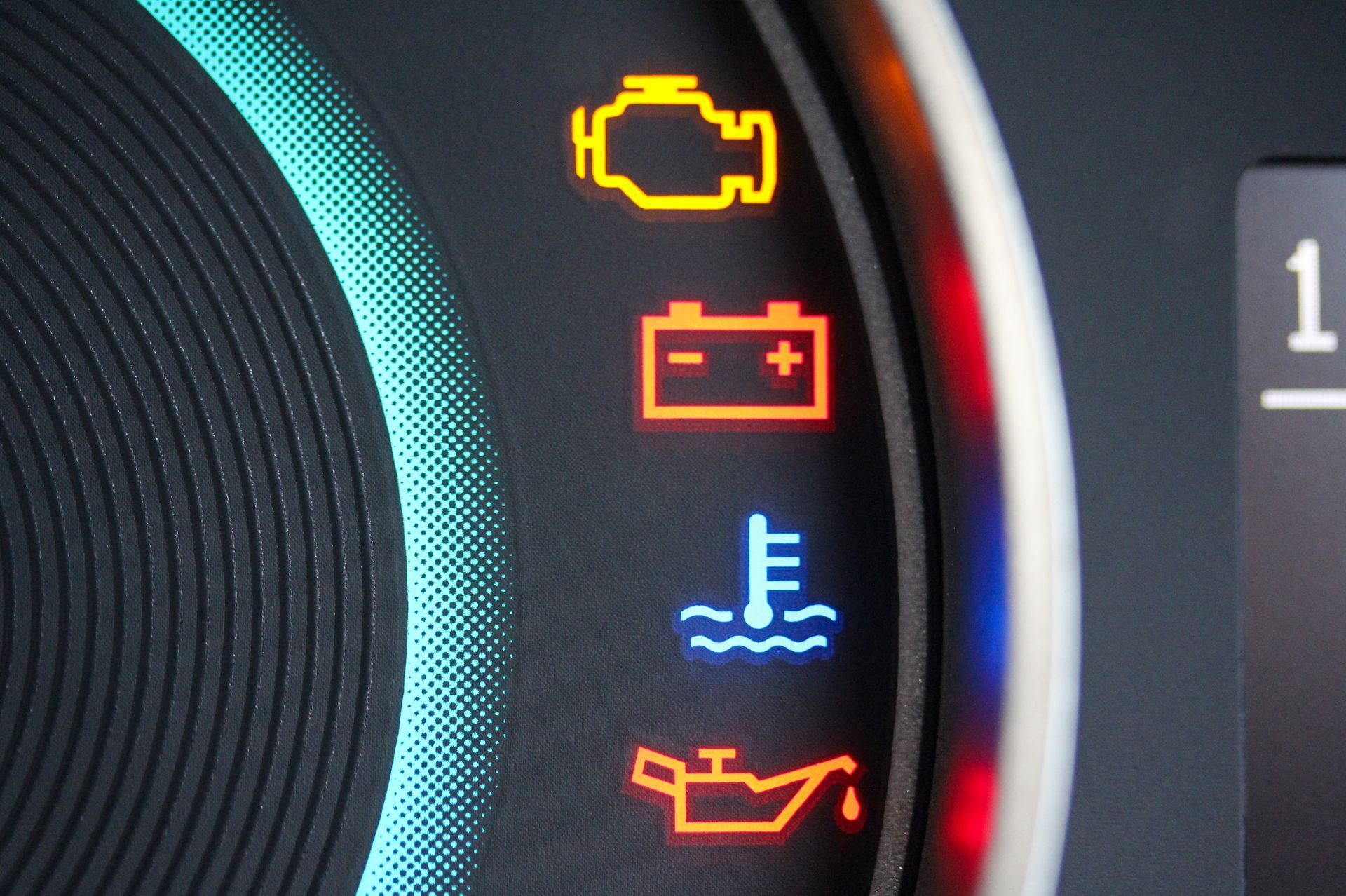
Dashboard warning lights illuminated: engine, battery, temperature, and oil icons.
By Dave Murdock November 17, 2025
From check engine lights to brake warnings, this guide explains common dashboard warning lights and what action Michigan drivers should take.
Car with winter tires driving in snowy conditions.
By Dave Murdock November 15, 2025
Is your car ready for a Michigan winter? Use this pre-winter vehicle checklist to stay safe on icy roads in Hemlock and Saginaw County.
White car parked in front of auto repair shop with green trim; asphalt parking lot, green grass, and trees.
By Dave Murdock November 10, 2025
Learn what Hemlock Auto & Alignment’s 3-year/36,000-mile nationwide auto repair warranty covers and how it protects you wherever you drive.
Mechanic using alignment equipment on a car tire, smiling in a garage.
By Dave Murdock November 3, 2025
Misaligned wheels can cause tire wear and handling problems. Discover the five warning signs your car needs a wheel alignment in Michigan.
Undercarriage of a vehicle, showing suspension components, including a coil spring, shock absorber, and brake system.
By Dave Murdock October 27, 2025
Michigan roads are hard on suspensions. Learn why suspension repair is critical for safety, tire life, and control in Hemlock and Saginaw County.
By Hemlock Auto & Alignment October 21, 2025
Discover expert wheel alignment services at Hemlock Auto & Alignment in Hemlock, MI. Enhance vehicle safety & performance. Visit us today!
Mechanic uses power tool to remove wheel from car in a shop.
By Dave Murdock October 14, 2025
From snowy winters to warm summers, this guide explains seasonal tire changes, installation timing, and tire care for Michigan drivers.
Mechanic assembling gears, possibly a differential, with various car parts on a work surface.
By Dave Murdock October 10, 2025
Fall is the best time for transmission service in Hemlock. Learn why Michigan drivers should service their transmission before winter arrives.
Raindrops on a car window; side mirror reflecting a dark, overcast landscape.
By Dave Murdock October 6, 2025
Wet leaves and fall rain make Michigan roads slippery. Learn how to prepare your tires for safe fall driving in Hemlock and Saginaw County.
By Dave Murdock September 29, 2025
Modern vehicles are built to last longer than ever before, with many reaching 200,000 miles or more when properly maintained. For drivers in Hemlock and throughout Saginaw County, regular maintenance becomes even more critical due to Michigan's harsh climate conditions that accelerate wear on vehicle components. The difference between a vehicle that lasts 100,000 miles and one that reaches 200,000 miles often comes down to consistent, proactive maintenance. While purchasing a vehicle represents a significant investment, proper care can double or even triple your return on that investment while providing years of reliable transportation. Michigan's extreme weather conditions—from summer heat that stresses cooling systems to winter road salt that accelerates corrosion—make regular maintenance essential for vehicle longevity around Hemlock's diverse driving conditions. The Foundation: Regular Oil Changes Engine oil is your vehicle's lifeblood, and consistent oil changes form the foundation of any longevity-focused maintenance program. Clean oil lubricates moving parts, removes contaminants, and helps regulate engine temperature. Why oil changes matter for longevity: Prevents metal-on-metal contact that causes permanent engine damage Removes combustion byproducts that can clog internal passages Maintains proper lubrication under all operating conditions Protects against sludge buildup that restricts oil flow Optimal oil change intervals: Follow manufacturer recommendations as a baseline Consider severe driving conditions common around Saginaw County Shorter intervals for stop-and-go driving, extreme temperatures, or dusty conditions Use quality oil and filters for maximum protection Skipping oil changes or extending intervals too far can cause expensive engine damage that makes vehicle replacement more economical than repair. Cooling System Maintenance for Michigan Climate Michigan's temperature extremes put tremendous stress on cooling systems. Proper cooling system maintenance prevents overheating in summer and ensures adequate cabin heat in winter. Essential cooling system care: Flush and replace coolant according to manufacturer schedules Inspect hoses and belts for wear and deterioration Check radiator for corrosion and blockages Test thermostat operation for proper temperature control Maintain proper coolant mixture for freeze protection Why cooling system maintenance extends vehicle life: Prevents costly engine overheating damage Ensures reliable operation in all weather conditions Protects aluminum components from corrosion Maintains proper engine operating temperatures for efficiency Around Hemlock's rural roads, where help might be far away, cooling system reliability becomes even more important for safe travel. Transmission Care for Long-Term Reliability Transmission repairs can cost thousands of dollars, making transmission maintenance one of the most cost-effective investments in vehicle longevity. Transmission maintenance essentials: Regular fluid changes using manufacturer-specified fluid Filter replacement during service intervals Early detection and repair of minor leaks Proper driving habits that reduce transmission stress Signs your transmission maintenance is working: Smooth shifting between gears Consistent operation in all weather conditions No unusual noises or vibrations Proper fluid color and smell Michigan's winter conditions place extra demands on transmissions, making regular service especially important for drivers who face snow and ice regularly. Brake System Longevity Proper brake maintenance not only ensures safety but also extends the life of expensive brake components and protects other vehicle systems. Brake maintenance for longevity: Regular brake fluid changes prevent corrosion Timely pad replacement protects rotors from damage Cleaning and lubrication prevent sticking and uneven wear Early problem detection prevents major component failure How brake maintenance saves money: Prevents rotor replacement by changing pads promptly Protects brake lines and calipers from contaminated fluid Maintains proper stopping distances for safety Avoids emergency repairs that cost more than scheduled maintenance Filter Replacement for System Protection Filters protect critical vehicle systems from contamination that causes premature wear and failure. Regular filter changes are inexpensive but provide significant protection. Critical filters for vehicle longevity: Engine air filter: Protects against dirt and debris that can damage cylinders Cabin air filter: Maintains HVAC system efficiency and air quality Fuel filter: Prevents contamination from reaching fuel injection systems Oil filter: Removes contaminants from engine oil Michigan's dusty rural roads and seasonal pollen make filter replacement especially important around Hemlock for maintaining system efficiency. Tire and Wheel Maintenance Proper tire care affects more than just tire life—it protects suspension components, improves fuel economy, and ensures safe handling. Tire maintenance for longevity: Regular rotation prevents uneven wear patterns Proper inflation maintains optimal contact patch Alignment keeps tires wearing evenly and protects suspension Balancing prevents vibration that damages other components How tire maintenance extends vehicle life: Prevents premature suspension component wear Improves fuel economy reducing engine stress Maintains safe handling characteristics Protects wheel bearings and steering components Scheduled Maintenance Compliance Following manufacturer maintenance schedules ensures all vehicle systems receive attention at appropriate intervals based on engineering specifications and testing. Benefits of schedule compliance: Maintains warranty coverage Prevents small problems from becoming major repairs Ensures optimal performance and fuel economy Preserves vehicle value for resale or trade-in Creating a maintenance schedule: Use manufacturer recommendations as a baseline Adjust for local driving conditions Keep detailed records of all service performed Plan ahead for major service intervals Cost Analysis: Maintenance vs. Replacement Regular maintenance costs significantly less than major repairs or vehicle replacement. The numbers clearly favor preventive care over reactive repairs. Maintenance cost benefits: Oil changes cost hundreds; engine replacement costs thousands Brake pad replacement costs less than rotor replacement Regular service prevents emergency repair surcharges Extended vehicle life delays expensive replacement purchases Long-term financial advantages: Lower total cost of ownership Higher resale value for well-maintained vehicles Predictable maintenance budgeting vs. surprise repair costs Extended financing payoff before replacement needs Professional Maintenance Advantages While some maintenance can be performed by vehicle owners, professional service offers advantages that contribute to vehicle longevity. Professional service benefits: Access to specialized tools and diagnostic equipment Experience with common problems and solutions Quality parts and fluids designed for your vehicle Warranty protection for service performed Comprehensive inspections that catch developing problems Professional technicians can identify potential problems during routine maintenance, preventing failures that could leave you stranded or cause expensive damage. Signs Your Maintenance Program Is Working Properly maintained vehicles exhibit consistent performance characteristics that indicate healthy systems and extended service life. Indicators of successful maintenance: Reliable starting in all weather conditions Consistent fuel economy over time Smooth operation without unusual noises or vibrations Predictable performance without unexpected problems Systems that function as designed year after year Invest in Your Vehicle's Future Regular maintenance represents the best investment you can make in your vehicle's longevity and reliability. At Hemlock Auto & Alignment, our ASE-certified technicians provide comprehensive maintenance services designed to maximize your vehicle's lifespan and performance. Located at 16575 Gratiot Road in Hemlock, we serve drivers throughout Saginaw County with professional maintenance services backed by our 36-month/36,000-mile warranty. Our maintenance programs are tailored to Michigan's challenging climate conditions and local driving requirements. From basic oil changes to comprehensive system maintenance, we help you protect your vehicle investment with quality service and honest recommendations. Our detailed maintenance records help you track service history and plan for future needs. Don't wait for problems to develop. Call us at (989) 642-4423 or schedule online for your next maintenance service. Let our experienced team help you maximize your vehicle's lifespan through professional maintenance—because proper care today means reliable transportation for years to come.
More Posts